Skip to content

For many Newton homeowners, the basement represents the largest unused space in the house, and one of the best opportunities for creating a dedicated entertainment area. A basement movie theater can transform that space into a comfortable retreat for family movie nights, game-day watch parties, and everyday relaxation.
However, building a home theater in a basement requires more than installing a large screen and surround sound. Layout planning, soundproofing, lighting control, seating arrangements, and local building requirements all influence the final result. This guide walks through key design ideas, typical cost considerations, and setup tips to help you create a basement theater that looks great and performs like a true cinematic space.
Planning the Ideal Home Theater in Basement Spaces

Basements are often the best location for a home theater because they naturally limit outside light and help contain sound. But creating a great viewing experience still requires careful planning. Screen placement, seating layout, lighting control, and acoustics all affect how the space performs. The decisions you make during this stage will determine whether your theater feels like a true cinematic space or just a room with a large TV.
Screen Size, Viewing Distance, and Seating Layout
Designing a basement home theater starts with coordinating screen size, viewing distance, and seating layout so the room feels immersive rather than cramped. In most basement theaters, screens between 100–120 inches work well for typical room dimensions. Seating should generally be placed about 1.5–2.5x the screen’s diagonal measurement away to create a comfortable viewing angle without straining the eyes. Once the primary viewing distance is established, seating can be arranged in rows or tiered platforms so every viewer has a clear sightline to the screen.
Creating Riser Platforms for Better Viewing Angles
To enhance the viewing experience in your basement theater, riser platforms are a game changer. By elevating your seating, you’ll guarantee everyone has an unobstructed view of the screen. Aim for a rise of 6–12 inches between tiers, and consider adding a railing for safety. This simple addition dramatically improves sightlines, making your movie nights even more enjoyable.
Basement Home Theater Equipment and Setup Essentials
Adding basement home theater feels immersive when the core elements work together, not when expensive equipment is added without a plan. Picture quality, sound performance, lighting control, and room layout all shape how the space feels once the movie starts. Getting those fundamentals right from the beginning makes the difference between a basement with a screen and a room that functions like a true home theater.
Projector vs. Large-Screen TV for Basement Theaters
Choosing between a projector and a large-screen TV for your basement theater can greatly impact your viewing experience. Projectors can create a cinematic feel with larger images, but they often require a darker room and more setup. On the other hand, large-screen TVs offer vibrant colors and clarity in any lighting. Consider your space, budget, and viewing habits to make the best choice.
Surround Sound Systems and Acoustic Treatments
A great basement home theater setup is only part of the equation for an immersive basement theater experience. To truly engage, invest in a quality surround sound system that envelops you in audio. Consider acoustic treatments like soundproofing panels and bass traps to minimize echo and enhance clarity. With the right audio setup, your movie nights will feel like a trip to the cinema without leaving home.
Basement Movie Room Design Ideas for a Cinematic Atmosphere

Building a home theater in a basement is about atmosphere. Thoughtful design choices in seating, lighting, and walls create a cinematic feel, turning everyday viewing into immersive entertainment.
Theater Seating, Lighting, and Wall Design
Comfort and lighting control play a major role in how immersive a basement theater feels. Seating should provide clear sightlines to the screen while allowing enough space for viewers to move comfortably through the room. Many homeowners choose recliners, theater-style seating, or a sectional depending on the room size and the number of viewers they want to accommodate.
Lighting should be layered so the room can transition from functional to cinematic. Dimmable wall sconces, recessed lights, or low-level LED strips allow safe movement without creating glare on the screen. Wall finishes also influence the experience. Dark paint colors or acoustic panels help absorb light and reduce sound reflections, which improves both picture contrast and audio clarity during movies.
Professional Tips for Building a Home Theater in Basement Spaces
Turning a basement into a true home theater involves more than installing a screen and speakers. Sound control, equipment placement, ventilation, and wiring all affect how well the room performs once construction is complete. The following tips highlight some of the most important design and installation considerations homeowners should address before building a basement theater.
Soundproofing Walls and Ceilings
Achieving ideal soundproofing for a movie theater in a basement is essential for an immersive viewing experience. Start by using dense materials like acoustic panels and soundproof drywall to minimize noise transfer. Seal any gaps around windows and doors with weather stripping to prevent sound leakage. Additionally, consider adding insulation between the walls and ceilings to enhance sound absorption, ensuring a quieter, more enjoyable movie night.
Wiring, Ventilation, and Equipment Planning
To create a truly immersive basement home theater setup, effective wiring, ventilation, and equipment planning are essential from the outset. Start by mapping out your electrical needs and using high-quality cables for sound and video. Guarantee proper ventilation to maintain comfort and prevent overheating. Choose equipment that fits your space, focusing on projector placement and screen size for the best viewing experience.
Basement Remodeling Permits and Requirements in Newton
Before diving into your basement remodeling project in Newton you’ll need to familiarize yourself with the necessary permits and requirements. Typically, you’ll need a building permit for significant changes, especially if you’re adding electrical, plumbing, or structural elements. Check with the Newton Building Department for specific regulations and any zoning restrictions that might apply to your home cinema room plans.
Common Basement Movie Theater Challenges Homeowners Face
Designing a home theater in a basement can be rewarding, but homeowners often encounter practical challenges during planning and setup. Understanding these common issues early helps make the process smoother and easier.
- Limited space and layout constraints
- Lighting control and screen visibility
- Soundproofing and noise management
- Choosing the right audio and video equipment
- Budget planning and cost management
- Ventilation and airflow concerns
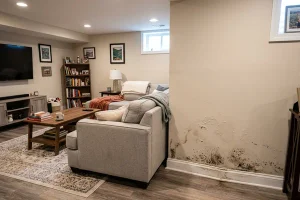
- Moisture and humidity control
Addressing these challenges early in the design process helps prevent costly changes later in the project. With thoughtful planning such as optimizing layout, controlling light and sound, and ensuring proper ventilation and basement waterproofing, homeowners can create a basement theater that performs well and remains comfortable for long movie sessions. Working through these considerations upfront also makes it easier to balance performance goals with a realistic budget.
Does Adding a Basement Movie Room Increase Home Value?
Adding a basement movie room can greatly boost your home’s value, especially if it’s designed with modern amenities and a cozy atmosphere. Potential buyers often look for unique features that enhance their living experience. A well-executed movie room can set your property apart, attracting more interest and potentially leading to a higher sale price. It’s a smart investment for your home’s future.
Movie Theater in a Basement FAQs
Homeowners planning a basement movie room often have practical questions about cost, setup requirements, and design considerations. These common FAQs provide general guidance to help you better understand the planning process.
1. How much does a basement home theater cost?
The cost of a basement home theater depends on equipment choices, room size, and overall design preferences. Screen type, seating arrangement, audio systems, and decorative elements can influence the final investment. Planning your budget early helps guide decisions and keeps the project organized.
2. What ceiling height is best for a basement theater?
A comfortable ceiling height helps create a better viewing environment in a basement theater. Adequate space allows room for seating, screens, and improved acoustics. Higher ceilings can make the space feel more open while also helping sound travel more naturally.
3. Do I need permits to build a basement theater in Newton?
Permit requirements depend on the scope of work involved in the renovation. Projects that include electrical changes, structural adjustments, or other construction updates may require approval before work begins. Checking local requirements early helps avoid delays during the building process.
4. Is a projector or a TV better for a basement movie room?
Both projectors and televisions can work well in a basement movie room, depending on your preferences. Projectors create a theater-like viewing experience, while televisions offer strong brightness and clarity. The best choice depends on space, lighting conditions, and viewing style.
5. How can I soundproof a movie theater in a basement?
Improving sound control helps create a more immersive theater experience. Many homeowners add acoustic panels, rugs, and heavy curtains to reduce noise transfer. Sealing small gaps and using sound-dampening materials can also help keep movie audio contained within the room.
Final Thoughts on Basement Movie Theaters
Incorporating a home theater into your basement can elevate your entertainment experience and add value to your property. With careful planning, budgeting, and design, you can create a cozy cinematic retreat that meets all your needs. Don’t forget to check local permits and regulations to guarantee a smooth setup. Embrace the joy of movie nights in your own space, and transform your basement into the ultimate movie-watching destination!Thinking about adding a basement movie theater? The team at Newton Basement Finishing can help design and build the perfect entertainment space for your home. Reach out today for a consultation.