Skip to content

Home gyms are becoming more common, especially in basement spaces where there is extra room to work with. However, setting up a gym in this area comes with a few challenges. Moisture, noise, and uneven surfaces can all affect how well your space performs over time.
That is why choosing the right gym flooring for basements is an important step. The right material supports your workouts, protects your space, and helps maintain a clean and stable environment. Whether you are planning a simple setup or a full training area, your flooring plays a key role.
In this guide, we explain everything you need to know about basement gym flooring and how to choose the best flooring for a home gym in a basement.
Why Choosing the Right Basement Gym Flooring Matters
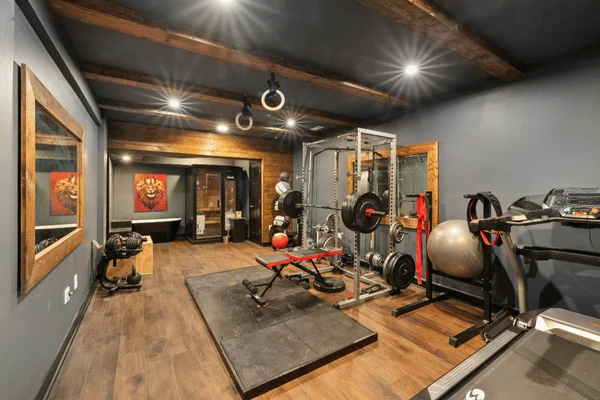
Selecting the best flooring for your basement finishing t is more than just a design choice. It helps protect the surface beneath from damage from equipment and movement. Without proper flooring, the base can crack, stain, or wear down over time.
It also reduces noise and vibration, which is important when working out in a lower level of the home. A good surface absorbs impact and limits sound from dropping weights or moving equipment.
Safety and comfort are also improved with the right material. A stable and cushioned surface helps reduce strain and lowers the risk of injury. In addition, moisture control is essential in basements, and proper flooring helps prevent issues like mold or mildew. Over time, this leads to better value and fewer repairs.
What Type of Flooring for a Basement Gym Is Best?
Choosing the right surface depends on your workout style, space, and support needs. Understanding these factors helps you decide what type of flooring for a basement gym is best for your setup.
Best Flooring for Weightlifting
Rubber mats are a strong choice for weightlifting areas. They absorb impact and handle heavy use well. This makes them suitable for protecting both equipment and the floor underneath.
Best Flooring for Cardio and Light Workouts
Foam tiles work well for lighter activities. They provide a soft surface that feels comfortable during movement. They are also easy to install and adjust.
Best for Multi-Purpose Gyms
Rubber rolls or vinyl flooring offer flexibility for various workouts. These options create a smooth surface that works well for both equipment and open space.
Best Budget-Friendly Option
Interlocking foam or recycled rubber can be a practical choice for those looking to manage costs. They still provide basic protection and comfort without a large investment.
Best for Moisture-Prone Basements
Vinyl or sealed rubber flooring helps reduce moisture concerns. These materials are easier to maintain and resist water better than other options.
Best Gym Flooring Options for Basement
There are several options to choose from when looking for gym flooring for basements, each offering unique benefits. Understanding these choices helps you select a solution that fits your needs and space.
Rubber Flooring (Top Choice)
Rubber flooring is widely used for its durability and reliable support. It absorbs shock, protects surfaces, and resists moisture. It works well for many types of workouts. However, it may have a slight smell at first and can cost more than other options.
Foam Tiles
Foam tiles are soft and simple to install. They are a good choice for light workouts or stretching areas. They are also easy to move or replace when needed. The downside is that they may not hold up well under heavy equipment.
Vinyl Flooring
Vinyl flooring provides a clean and smooth look. It resists moisture and is easy to maintain. It also fits well in spaces where style matters. However, it does not offer as much cushioning as other materials.
Carpet Tiles
Carpet tiles can create a warm and comfortable feel. They are easy to replace in sections if needed. Still, they may hold moisture and require more effort to keep clean in a basement setting.
Epoxy Flooring
Epoxy flooring creates a sealed and durable surface. It handles moisture well and lasts over time. However, it is a hard surface, so adding mats on top is often necessary for comfort and protection.
Key Factors to Consider When Choosing Gym Flooring for Basements

Before selecting gym flooring, it is important to evaluate key factors that affect performance, durability, and comfort to ensure your basement design remains functional and reliable.
Moisture Resistance
Basements are more likely to have moisture issues, so choosing a water-resistant material is important. This helps protect the space and keeps it safe for regular use.
Thickness and Shock Absorption
The thickness of your flooring affects how well it absorbs impact. Thicker materials provide better protection, especially for activities involving weight or repeated movement.
Durability and Load Capacity
Different workouts place different demands on the flooring. Heavy equipment requires stronger materials, while lighter workouts allow for softer options. Matching your flooring to your routine helps extend its lifespan.
Installation Method
Some flooring types are simple to install, while others may require more effort. Interlocking pieces are easier to set up quickly, while glued or sealed options may require more preparation.
Budget Considerations
Cost plays a role in choosing the right flooring. While some materials may cost more upfront, they often last longer and require less maintenance. Balancing cost with quality is key.
Installation Tips for Gym Flooring

A well-planned installation process ensures your gym flooring for basement spaces performs reliably and lasts for years.
Installing basement gym flooring requires proper preparation to ensure long-term performance and durability. The condition of the surface plays a key role, so it is important to start with a clean, level base that supports the material evenly. Moisture control should also be considered, as basements are more prone to damp conditions that can affect flooring over time.
To achieve the best results, follow these key installation tips:
- Clean and level the surface to prevent uneven wear or shifting
- Use a moisture barrier to protect gym flooring from damp conditions
- Allow materials to acclimate to the room temperature before installation
- Leave small expansion gaps around edges to prevent buckling
- Test your layout before securing flooring to ensure proper fit
- Choose the right installation method (interlocking, adhesive, or loose lay)
Careful planning during installation helps prevent shifting, gaps, or uneven placement while improving overall performance. By following these steps, you create a safer, more durable flooring for home gym in basement environments that supports long-term use.
Common Mistakes to Avoid
Avoiding common pitfalls can significantly improve the performance and lifespan of your basement gym flooring.
Choosing gym flooring for basements can seem straightforward, but small mistakes can lead to long-term issues that affect both performance and durability. Many problems come from overlooking important factors such as moisture, surface preparation, and the type of workouts planned for the space.
Here are some of the most common mistakes to watch out for:
- Ignoring moisture issues, which can lead to mold or flooring damage
- Choosing flooring that is too thin for heavy equipment or weightlifting
- Skipping proper subfloor preparation before installation
- Not accounting for the type of workouts in your basement gym setup
- Prioritizing low cost over long-term durability and performance
- Failing to plan for equipment placement and high-impact areas
Without proper planning, flooring may wear down faster or fail to provide the support needed for safe exercise. Understanding these mistakes helps you choose the right type of flooring for a basement gym and avoid costly repairs or replacements later.
Maintenance and Care Tips
Consistent maintenance is key to preserving the quality and performance of your gym flooring for basements.
Proper maintenance is essential to keep your gym flooring in the basement in good condition and ensure it continues to perform well over time. Regular care not only improves the appearance of your space but also helps prevent damage caused by dirt, moisture, and daily use.
Follow these simple maintenance tips to extend the life of your flooring:
- Clean regularly using a broom, vacuum, or damp mop to remove debris
- Control humidity with a dehumidifier to protect gym flooring
- Wipe up spills quickly to prevent moisture buildup
- Inspect flooring periodically for signs of wear or damage
- Replace worn or damaged tiles and mats as needed
- Avoid harsh chemicals that could degrade the material
Since basements can have unique environmental conditions, managing moisture and cleanliness is especially important. With consistent care, your flooring for home gym in basement spaces will remain safe, durable, and ready to support your workouts for years to come.
FAQs About Basement Gym Flooring
1. What is the best gym flooring for basements?
Rubber flooring is widely considered the best option for basement gyms because it provides reliable durability, strong support, and moisture resistance, making it suitable for various workouts and long-term use.
2. Can I put gym flooring directly on concrete?
You can install gym flooring directly on concrete as long as the surface is clean, level, and dry. Using a moisture barrier underneath can provide added protection and help maintain the flooring condition.
3. How thick should gym flooring be in a basement?
The right thickness depends on your workout type and equipment. Heavier activities need thicker flooring for better protection, while lighter exercises can use thinner options that still provide comfort and support.
4. Is foam flooring good for basement gyms?
Foam flooring is a good choice for light workouts, stretching, and general exercise areas. It offers comfort and ease of installation, but it may not handle heavy equipment or intense use well.
Gym Flooring Options- Final Thoughts
Ready to upgrade your basement gym with confidence? The right gym flooring for basement spaces is more than a finishing touch—it’s a long-term investment in safety, performance, and durability. With expert-backed insights and practical guidance, you now know how to choose flooring that resists moisture, reduces noise, and supports your workouts.
Don’t settle for guesswork or short-term fixes. Whether you’re building a new basement gym setup or upgrading an existing space, making the right choice today can save you time, money, and frustration down the line.If you want a reliable, high-performance solution tailored to your needs, now is the time to take action. Explore your options, compare materials, and invest in flooring designed to last. Your ideal workout space starts from the ground up, make it count. Call Newton Basement Finishing today to get started!