Skip to content

Adding a bathroom to the basement can be one of the most intelligent decisions a homeowner makes if done right. Whether you’re transforming your lower level into a guest suite, home office, or entertainment space, adding a basement bathroom can bring function, flexibility, and long term value. But as with any renovation, there are practical realities to weigh. From plumbing logistics and ventilation to permitting and costs, installing bathroom features below ground requires careful planning.
This article is your go to guide for understanding the advantages and drawbacks of adding a bathroom to the basement. We’ll break down essential factors like plumbing, moisture control, and cost analysis, while also exploring creative basement bathroom designs to help you make the most of your space. If you’re wondering how to create a basement bathroom that’s both beautiful and practical, this blog will guide you through the process.
Whether you’re aiming to enhance convenience, improve resale appeal, or simply make better use of unused space, this renovation can pay off if you plan carefully. Read on to see if a basement bathroom is the right fit for your home. Let’s see how to build a basement bathroom quickly and easily.
Why Consider a Basement Bathroom?
A basement bathroom isn’t just a nice to have it can be a game changer for how your household functions. This upgrade allows for greater flexibility in your home layout and supports evolving family needs. Whether you’re remodeling for guests, kids, or potential tenants, a basement bathroom offers both everyday convenience and long term return. But to maximize the investment, it’s crucial to understand why it’s worth considering in the first place.

Enhancing Home Convenience
A basement bathroom adds tremendous convenience, mainly if your lower level includes a family room, gym, or guest bedroom. Instead of walking up and down stairs every time someone needs the restroom, you’ll have a nearby option. For large families or homeowners who frequently host guests, installing a bathroom in the basement can reduce congestion in upstairs bathrooms.
Increasing Property Value
Adding a bathroom to the basement often increases a home’s resale value. Potential buyers see it as a finished space that requires less investment after they make a purchase. Homes with multiple bathrooms especially one in the basement typically have broader market appeal. This added amenity can justify a higher asking price, giving you a competitive edge when selling.
Making Use of Unused Space
Basements are frequently underutilized. Adding a bathroom to the basement transforms an unfinished or storage heavy area into a functional living space. Whether you’re building a guest suite or a rental unit, this simple addition makes the basement more livable and cohesive with the rest of the home.
Pros of Adding a Basement Bathroom
Installing bathroom fixtures and plumbing in the basement may seem daunting, but the benefits often outweigh the effort, especially when it’s professionally executed. Let’s look at the most significant upsides of this upgrade.
Increases Home Value and Resale Appeal
A basement bathroom can significantly boost your home’s value, especially in markets where finished basements are in high demand. It appeals to buyers seeking extra living space, rental opportunities, or setups that are guest friendly. Even a small half bath can make your home more functional and marketable, helping you recoup a significant portion of your investment.
Adds Convenience and Functionality
Whether your basement is a playroom, office, or home theater, a dedicated bathroom improves daily use. There’s no need to run upstairs or share bathrooms during gatherings. It also makes multi generational living easier, as each level of the house has its own facilities, reducing family traffic jams.
Customization and Design Flexibility
Since most basements start as blank slates, you have complete control over your basement bathroom designs. Whether you want a compact powder room or a luxurious spa like retreat, your basement offers flexibility in layout and aesthetic. You can choose everything from tile and lighting to fixtures without being constrained by an existing setup.
Cons of Adding a Basement Bathroom
Of course, no renovation is without its drawbacks. Installing bathroom features in a basement presents specific challenges, from mechanical concerns to regulatory requirements.

Plumbing and Drainage Challenges
Gravity isn’t on your side when plumbing a basement bathroom. You may need to install a sewage ejector pump or macerating system to ensure waste moves efficiently to the main sewer line. If you’re unfamiliar with building a basement bathroom, a professional consultation is a must to avoid expensive mistakes and code violations.
Moisture and Ventilation Concerns
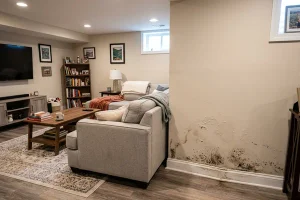
Basements are naturally more humid and prone to water infiltration. Without proper ventilation and waterproofing, your bathroom can quickly develop mold, mildew, or dampness. Installing an exhaust fan, moisture resistant drywall, and tile are essential steps for maintaining a healthy and durable space.
Cost and Permit Requirements
Adding a bathroom to the basement can be more expensive than above ground projects due to the complexity of plumbing and local permit requirements. Depending on the scope, you may need permits for electrical, plumbing, and structural changes. Hiring a basement contractor is often necessary, which adds to the overall project cost.
Key Factors to Consider Before Installation
Before you begin, it’s essential to evaluate all aspects of installing a basement bathroom. This includes structural, mechanical, and design elements to ensure your investment pays off in performance and comfort.
Plumbing and Sewage System
This is the most critical component. Your current plumbing setup will determine whether gravity fed drainage is possible or if you’ll need a pump system. Evaluate proximity to the main sewer line, pipe elevation, and existing connections. It’s recommended to consult a plumber who specializes in basement installations.
Proper Ventilation and Waterproofing
Ventilation in a basement bathroom is non negotiable. Install a high capacity exhaust fan and consider adding a dehumidifier nearby. Waterproofing materials, such as sealed flooring, water resistant paint, and backer boards, can help prevent moisture damage. These steps ensure your bathroom remains safe and mold free.
Basement Bathroom Design Ideas
Get creative with your space! If you’re working with limited square footage, a corner shower and floating vanity can keep the layout open. For larger areas, consider a double vanity, walk in shower, or even a soaking tub. Stick to light colors to brighten up the space and install layered lighting for both function and ambiance. Explore modern basement bathroom designs that incorporate sleek tiles, frameless glass, or rustic finishes, depending on your taste.
Final Thoughts – Is a Basement Bathroom Right for You?
Adding a bathroom to the basement can be a high impact upgrade that improves your home’s functionality, value, and comfort. But it’s not a weekend DIY job. From plumbing to permitting, there are serious decisions involved in building a basement bathroom the right way.
If you’re unsure where to start or want to ensure the job gets done properly, hiring an expert is the best move. For homeowners in the MetroWest area, Newton Basement Finishing (also known as MetroWest Basement Remodeling) offers professional guidance and craftsmanship. Whether you’re designing from scratch or upgrading an existing space, their team can turn your vision into a durable and stunning finished product.
Ready to transform your basement? Contact Newton Basement Finishing today and get expert help on installing bathroom features the smart way.
FAQS on Adding a Basement Bathroom
Is it expensive to add a bathroom to the basement?
Yes, adding a bathroom to the basement can be costly due to the complexity of the plumbing and the potential need for a sewage pump. On average, homeowners spend between $10,000 to $25,000 depending on the layout, finishes, and labor. However, it’s often a worthwhile investment in terms of home value and convenience.
Do I need a permit to build a basement bathroom?
Yes, most local governments require permits for installing bathroom features in the basement. This typically includes permits for plumbing, electrical work, and building. Failing to secure proper documentation may lead to fines or issues when selling your home, so always check with your city’s building department before starting construction.
Can I add a full bathroom in a small basement?
Absolutely. Even small basements can accommodate a full bathroom with efficient space planning. Use compact fixtures, such as corner sinks, wall mounted toilets, or pocket doors to maximize the area. A thoughtful layout and creative basement bathroom designs can make even limited space feel open and functional.
How do I prevent moisture problems in my basement bathroom?
To prevent moisture issues, install a high quality exhaust fan and ensure proper ventilation throughout the space. Use waterproof flooring, mold resistant drywall, and sealants around plumbing fixtures to prevent moisture damage. Adequate waterproofing and drainage are crucial for protecting against mold, mildew, and long-term water damage in a basement bathroom.
Will a basement bathroom increase home value?
Yes, a well designed basement bathroom can add significant value to your home by enhancing both its functionality and appeal. Buyers often see it as a bonus, especially in homes with guest rooms or potential rental units. It can also make your home stand out in a competitive real estate market.